Ultra-High Throughput Screening (uHTS) is a significant advancement in drug discovery, allowing rapid evaluation of extensive chemical libraries with millions of compounds. It enhances traditional high-throughput screening (HTS) through advanced robotics, miniaturized assays and sophisticated data analytics, leading to faster identification of bioactive molecules. Operating in multi-well formats, uHTS reduces reagent use while maintaining high sensitivity. Key components include automated liquid handling, real-time data acquisition and optimized assay strategies, with detection techniques like FRET and high-content imaging. Additionally, machine learning aids in hit identification and predictive modelling. uHTS is also applied in functional genomics and synthetic biology, though it faces challenges like data overload and assay interference. Ongoing technological advancements are set to enhance uHTS capabilities further, solidifying its role in discovering new therapeutics and understanding complex biological systems.
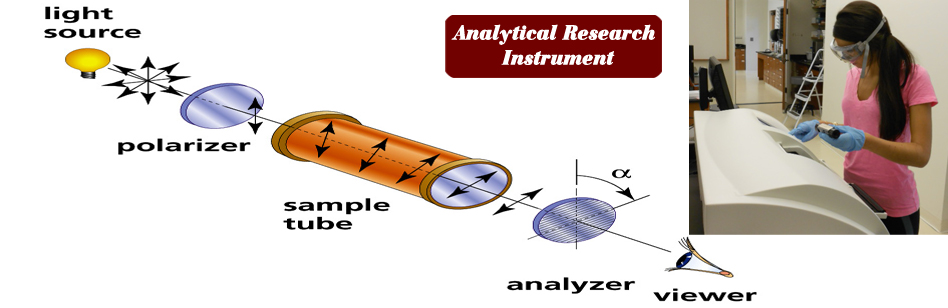
A simple, eco-friendly and validated UV-Visible spectrophotometric method was developed for quantitative estimation of fluconazole in tablet formulations, employing distilled water as solvent in alignment with green chemistry principles. Absorbance was measured at 261nm using a Shimadzu UV-1800 spectrophotometer. The proposed method was validated according to ICH Q2 (R1) guidelines, assessing specificity, linearity, accuracy, precision, robustness and ruggedness. The calibration curve showed linearity over 15-90 ppm with a correlation coefficient greater than 0.99. Recovery studies confirmed accuracy within 98-102%, while precision showed RSD values below 2%. The assay of marketed tablets (Fluka 150) indicated a purity of 101.75%. Assessment using the AGREE metric yielded a greenness score of 0.79, confirming strong environmental compatibility. The proposed method offers a reliable, sensitive and sustainable approach for the routine analysis of fluconazole in pharmaceutical dosage forms.
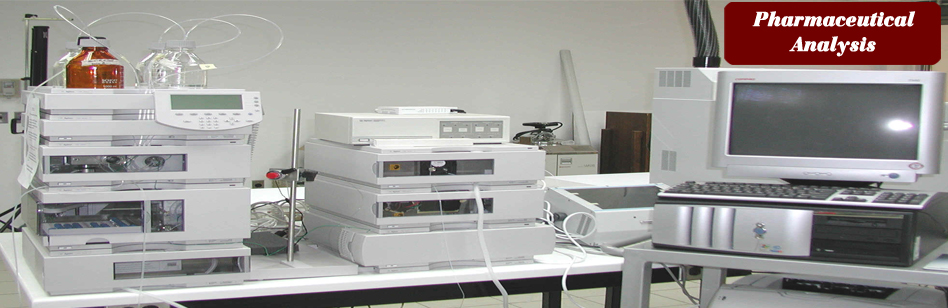
An optimized and validated reverse-phase high-performance liquid chromatography (RP-HPLC) method was developed for the quantitative analysis of Infigratinib in tablet formulations. Chromatographic separation was achieved using a SunFire C18 column (150mm × 4.6mm, 3.5μm) with a mobile phase comprising sodium dihydrogen phosphate buffer (pH 4.8) and acetonitrile (55:45, v/v) at a flow rate of 0.9mL/min. Detection was performed at 218nm. The method demonstrated linearity over the concentration range of 12.5-75μg/mL with a correlation coefficient (R² = 0.9996). Validation studies confirmed accuracy, precision and robustness within acceptable ICH limits. Forced degradation studies under acidic, basic, oxidative, photolytic, thermal and neutral conditions confirmed the method’s stability-indicating capability. The proposed method is suitable for routine quality control and stability analysis of Infigratinib in pharmaceutical formulations.